
Betsmove Platformuna Genel Bakış ve Erişim Rehberi

Bu sayfa, Betsmove ile ilgilenen kullanıcılar için hazırlanmıştır. Platforma nasıl giriş yapılır, kullanıcılar hangi bilgilere ihtiyaç duyar gibi konular anlaşılır ve sade bir şekilde açıklanmıştır.

Betsmove Hakkında Temel Bilgiler

Betsmove, kullanıcılarına çevrimiçi bahis ve spor içerikleri sunan bir platformdur. Bu sayfa, platformun işleyişi, kullanıcıların dikkat etmesi gereken noktalar ve genel bilgiler hakkında rehberlik sağlar. Kısa ve tekrarsız bir içerik ile bilgilenmek isteyenler için hazırlanmıştır.

Giriş İşlemleri ve Arama İhtiyacı

Kullanıcılar, Betsmove’a erişim sağlamak ve güncel bağlantı bilgilerini öğrenmek için sıkça giriş aramaları yapar. Ayrıca platformun sunduğu hizmetler ve özellikler hakkında fikir edinmek isteyenler bu sayfalara yönelir. Bu tür içerikler, arama motorları tarafından değerli olarak değerlendirilir.

Bilgilendirme ve Rehberlik Amacı

Sayfamızın amacı, ziyaretçileri yönlendirmek veya platforma yönlendirmek değil, yalnızca bilgi vermektir. Betsmove hakkında doğru ve güncel bilgilere kolayca ulaşabilmeniz için hazırlanmış bir rehber niteliğindedir.

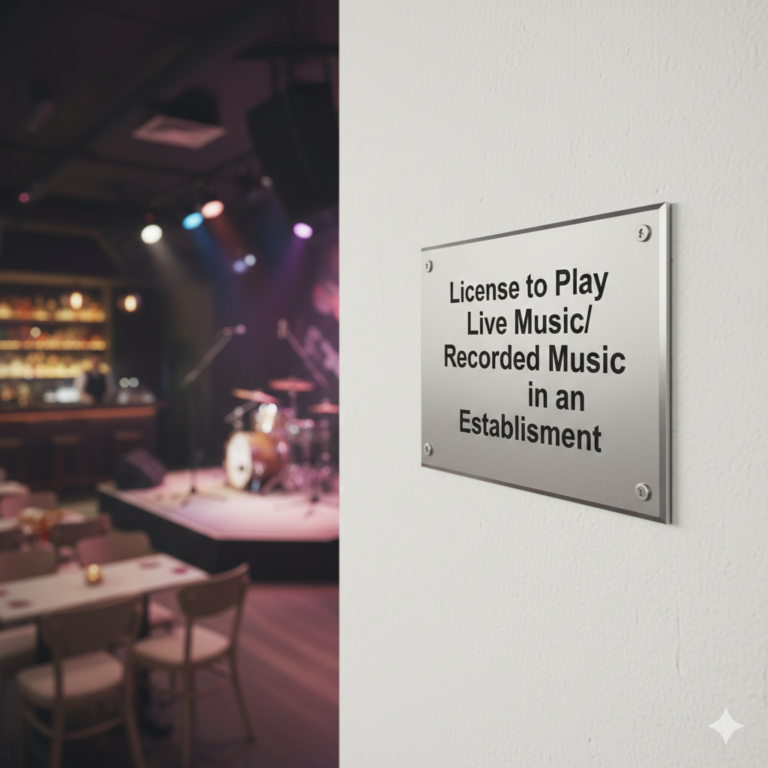
License to Play Live Music/Recorded Music in an Establishment - 1-Comply
License to Play Live Music/Recorded Music in an Establishment

License to Play Live Music/Recorded Music in an Establishment

Primary Legislation

  • Copyright Act, 1957 – Governs public performance rights in India
  • Section 14 – Defines exclusive rights of copyright owners including public performance
  • Section 52 – Provides limited exemptions (not applicable to commercial establishments)

Key Legal Principles

  • Public Performance Right: Any performance of copyrighted music in a commercial establishment constitutes public performance
  • Prior Authorization Required: Permission needed from copyright owners or their authorized representatives
  • Collective Licensing System: IPRS provides blanket licenses covering multiple works
  • Territorial Jurisdiction: License required for all establishments operating in India

Regulatory Framework

  • Government Authorization: IPRS is a copyright society licensed under the Copyright Act
  • Mandatory Compliance: Non-compliance attracts civil and criminal penalties
  • Dual Licensing: Separate licenses may be required for musical works (IPRS) and sound recordings (PPL)

Understanding Establishment Music Licensing

What Constitutes Music in Establishments?

Background Music

  • Music played through mechanical or electronic devices
  • Radio, television, CD/tape players, digital music services
  • Ambient music for customer experience
  • Hold music for telephone systems

Live Music Performance

  • Music by performers in person (staff or hired musicians)
  • Vocalists and instrumentalists
  • Regular live entertainment programs
  • Customer participation in music (karaoke, open mic)

DJ and Recorded Music

  • DJ performances with recorded music
  • Mixed live and recorded performances
  • Special event music within the establishment

Scope of Public Performance

According to IPRS definitions, public performance includes:

  • Performance for establishment staff members
  • Performance for the general public/customers
  • Music audible in any area of the premises
  • Any form of communication to the public

Types of Establishments Requiring Licenses

Food Service Establishments

  • Restaurants – Fine dining, casual dining, fast food
  • Cafes and Coffee Shops – Standalone and chain outlets
  • Lunch Homes and Eating Houses – Local and regional eateries
  • Office Canteens – Corporate dining facilities
  • Dining Rooms – Hotel and institutional dining areas

Hospitality and Entertainment Venues

  • Hotels – All categories (5-star, 4-star, budget)
  • Bars and Pubs – Standalone and hotel-based
  • Clubs – Social clubs, sports clubs, exclusive clubs
  • Lounges – Cocktail lounges, hotel lounges
  • Resorts – Leisure and business resorts

Retail and Commercial Spaces

  • Shopping Malls – Common areas and individual stores
  • Retail Outlets – Fashion stores, electronics stores
  • Showrooms – Automobile, furniture, lifestyle
  • Gyms and Fitness Centers – Background music during operations
  • Salons and Spas – Wellness and beauty establishments

Event and Function Venues

  • Banquet Halls – Wedding halls, conference venues
  • Auditoriums – Corporate and cultural venues
  • Convention Centers – Business and exhibition venues
  • Party Halls – Private celebration venues

Exemptions

  • Domestic Use: Private homes and personal entertainment
  • Religious Institutions: During religious ceremonies only
  • Educational Institutions: Subject to specific conditions and non-commercial use

IPRS Licensing Categories for Establishments

Primary License: TARIFF-RB (Restaurants and Background Music)

Scope: Public performance of music at restaurants, lunch homes, coffee shops, dining rooms, cafes, office canteens, eating houses and similar premises

Coverage Includes:

  • Background music via mechanical/electronic devices
  • Radio, television, record/CD/tape players
  • Digital music services
  • Live/DJ music performances (regular operations)
  • Music for staff and general public

Special Event Licensing: TARIFF LP/DJ (Events)

When Required: For special occasions and events within establishments

  • New Year celebrations
  • Christmas parties
  • Holi and Valentine Day events
  • DJ performances by third parties
  • Outside organizer events
  • Any special entertainment programs

Important Note: Regular establishment license does NOT cover special events – separate event license required

Live Music Incentive

  • 20% Standard Deduction available for establishments with regular live performance (365 days)
  • Promotes artists and live entertainment
  • Must demonstrate continuous live music programming

Special Event Fees (Additional to Annual License)

Hotel/Club Events (Non-Ticketed)

  • 5-Star, Heritage, Clubs, Resorts: ₹60,000 per event
  • 4-Star Category Hotels: ₹40,000 per event

Other Venue Events

  • Indoor/Outdoor Premises: ₹1,50,000 per event
  • Mall Indoor Events: ₹40,000 per event
  • Sponsored Events: ₹3,00,000 per event

Fee Structure Details

  • Advance Payment: All fees payable in advance annually
  • GST Additional: All fees exclusive of GST and applicable taxes
  • Inflation Adjustment: Fees may be revised based on Consumer Price Index
  • Authors’ Royalty Included: Covers both license fee and statutory author royalty

Application Process for Obtaining License

Step 1: Assessment and Planning

  1. Determine License Type: Regular establishment vs. event-specific
  2. Identify City Category: Classified or non-classified for fee calculation
  3. Assess Music Usage: Background, live, or combination
  4. Calculate Total Fees: Including GST and any event-specific requirements

Step 2: Online Application

  1. Visit IPRS Portal: www.iprs.org
  2. Create Account: Register with establishment details
  3. Select Tariff Category: Choose TARIFF-RB for establishments
  4. Complete Application Form:
    • Establishment name and address
    • Type of business and capacity
    • Music usage details
    • Contact information

Step 3: Document Submission

Upload required documents through the portal:

  • Business registration certificates
  • PAN card and address proof
  • GST registration (if applicable)
  • Establishment license/permits
  • Capacity and layout details

Step 4: Fee Payment

  1. Calculate Total Amount: Annual fee + GST + any applicable charges
  2. Online Payment: Through IPRS portal payment gateway
  3. Payment Confirmation: Save transaction details and receipt

Step 5: Verification and Issuance

  1. IPRS Review: Document verification (2-5 working days)
  2. Inspection Requirement: Provide two passes for IPRS inspection if requested
  3. License Issuance: Download authorization letter from portal
  4. Display License: Print and display at prominent location in establishment

Step 6: Renewal Process

  1. Annual Renewal: License valid for one year from issue date
  2. Advance Payment: Renew before expiry to avoid penalties
  3. Updated Documentation: Submit any changes in establishment details

Required Documentation for License

Mandatory Documents

  1. Business Registration:
    • Certificate of incorporation (for companies)
    • Partnership deed (for partnerships)
    • Proprietorship proof (for individual owners)
    • LLP agreement (for LLPs)
  2. Tax and Legal Compliance:
    • PAN card of business entity
    • GST registration certificate
    • Trade license from local authority
    • Food license (FSSAI) for food establishments
  3. Establishment Details:
    • Address proof of premises
    • Layout plan showing music audible areas
    • Capacity certificate or seating arrangement details
    • Lease agreement or ownership documents
  4. Music Usage Information:
    • Details of sound systems installed
    • Areas where music will be played
    • Type of music programming planned
    • Schedule of live performances (if applicable)

Additional Requirements

  • Authorized Signatory Details: Person responsible for license compliance
  • Contact Information: Updated phone and email for communication
  • Bank Account Details: For refunds if applicable
  • Previous License History: If renewing or transferring from other premises

Terms and Conditions

Payment Obligations

  1. Advance Payment Requirement: Annual royalty/license fee must be paid in advance or within one month of billing
  2. Interest and Penalties: Non-payment attracts 18% interest + 18% penalty in addition to base fees
  3. GST Compliance: All fees exclusive of GST – licensee responsible for applicable taxes
  4. No Partial Payments: Full annual fee required – no monthly installments

License Scope and Limitations

  1. IPRS Repertoire Only: License covers only musical and literary works of IPRS members
  2. Additional Licenses Required: Separate PPL license needed for sound recordings
  3. Premises Specific: License valid only for specified establishment address
  4. Audibility Rule: Royalty calculated on entire area where music is audible, not just performance space

Usage and Reporting Requirements

  1. Music Usage Reports: Submit regular reports of music played (set-lists, playlists)
  2. Compliance Monitoring: Allow IPRS inspection with advance notice
  3. Accurate Information: Provide truthful details about establishment and music usage
  4. Special Events: Obtain separate licenses for excluded special occasions

License Display and Transfer

  1. Prominent Display: License must be displayed visibly at establishment entrance
  2. Non-Transferable: License specific to named licensee and premises
  3. Change Notification: Inform IPRS of any changes in ownership, address, or operations
  4. Cancellation Policy: Refunds possible only for cancelled operations (taxes deducted)

Compliance Requirements

Ongoing Obligations

  1. Annual Renewal: Renew license before expiry date
  2. Fee Payment: Ensure timely payment to avoid penalties
  3. Usage Reporting: Submit music usage reports as requested
  4. Inspection Cooperation: Provide access for IPRS representatives
  5. Record Maintenance: Keep documentation for audit purposes

Operational Compliance

  1. Authorized Music Only: Play only IPRS repertoire under the license
  2. Volume and Areas: Ensure music played within licensed premises only
  3. Staff Training: Educate staff about license requirements and limitations
  4. Event Notification: Inform IPRS about special events requiring separate licenses

Changes and Updates

  1. Ownership Changes: Report transfer of business ownership
  2. Premises Modification: Notify expansion or modification of music areas
  3. Contact Updates: Keep registered contact information current
  4. Business Type Changes: Report changes in establishment type or operations

Documentation Requirements

  1. License Display: Keep current license prominently displayed
  2. Payment Records: Maintain proof of fee payments
  3. Usage Logs: Record music played for reporting purposes
  4. Correspondence: Keep all communication with IPRS

Penalties for Non-Compliance

Section 63 of Copyrights Act, 1957-

Any person who knowingly infringes or abets the infringement of—

(a) the copyright in a work, or

(b) any other right conferred by this Act

shall be punishable with imprisonment for a term which shall not be less than six months but which may extend to three years and with fine which shall not be less than fifty thousand rupees but which may extend to two lakh rupees.


Section 63A: Enhanced penalty on second and subsequent convictions

Whoever having already been convicted of an offence under section 63 is again convicted of any such offence shall be punishable for the second and for every subsequent offence, with imprisonment for a term which shall not be less than one year but which may extend to three years and with fine which shall not be less than one lakh rupees but which may extend to two lakh rupees

Disclaimer: The information contained in this Article is intended solely for personal non-commercial use of the user who accepts full responsibility of its use. The information in the article is general in nature and should not be considered to be legal, tax, accounting, consulting or any other professional advice. We make no representation or warranty of any kind, express or implied regarding the accuracy, adequacy, reliability or completeness of any information on our page/article. 

To stay updated Subscribe to our newsletter today

Explore other Legal updates on the 1-Comply and follow us on LinkedIn to stay updated 

Post Views: 46

Schedule A Demo