
Resignation & Removal of a Director under the Companies Act, 2013

The Companies Act, 2013 devotes two distinct provisions to the departure of directors from the board: Section 168 deals with voluntary departure, i.e. resignation, while Section 169 addresses involuntary departure, i.e. removal by the shareholders.
Passing of Resolution by Circulation under Companies Act, 2013

The Act requires certain business to be approved only at Meetings of the Board. However, other business that requires urgent decisions can be approved by means of Resolutions passed by circulation. Resolutions passed by circulation are deemed to be passed at a duly convened Meeting of the Board and have equal authority.
Rotation of Directors under the Companies Act, 2013
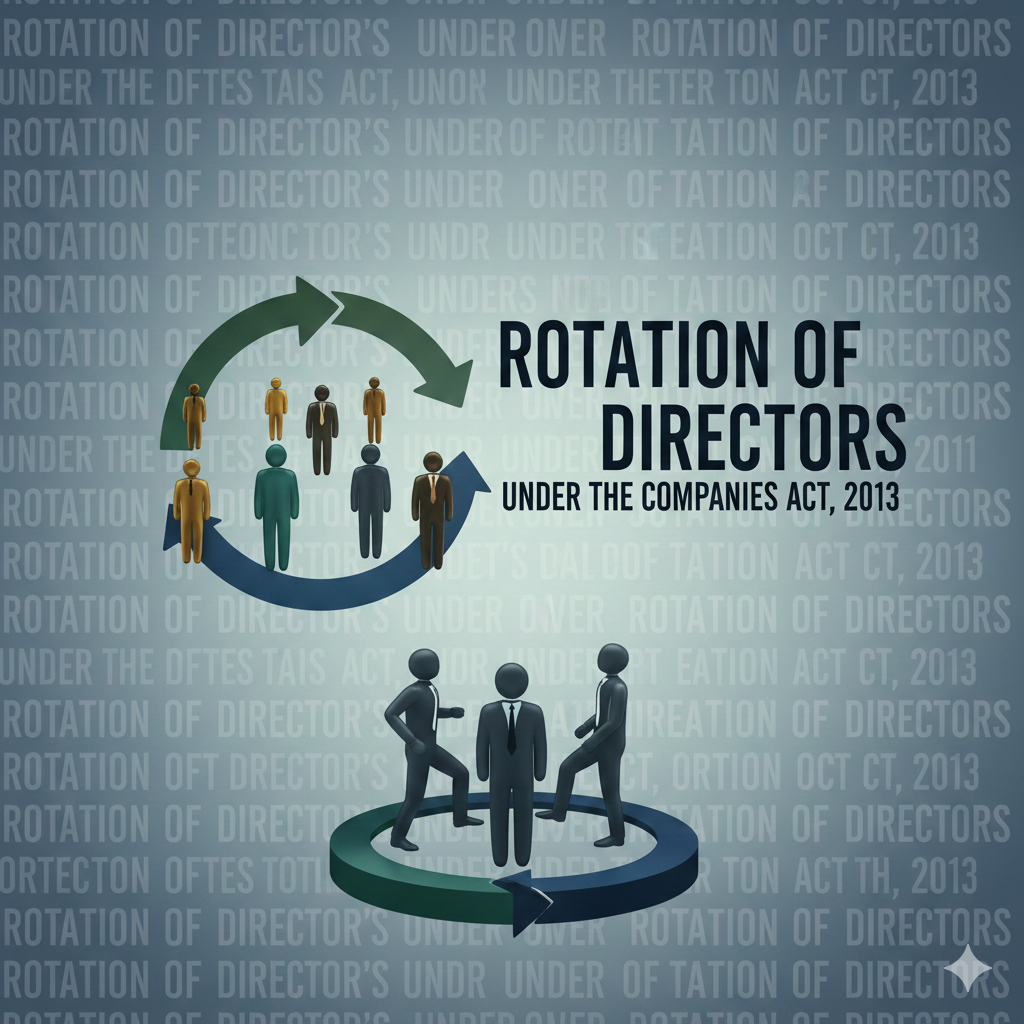
The concept of rotation of directors is rooted in the principles of good corporate governance, accountability, and shareholder control. It ensures that the Board of Directors of a public company remains periodically answerable to the shareholders by requiring certain directors to retire at regular intervals and seek re-appointment at the Annual General Meeting (AGM).
Secretarial Audit Report – Form MR-3
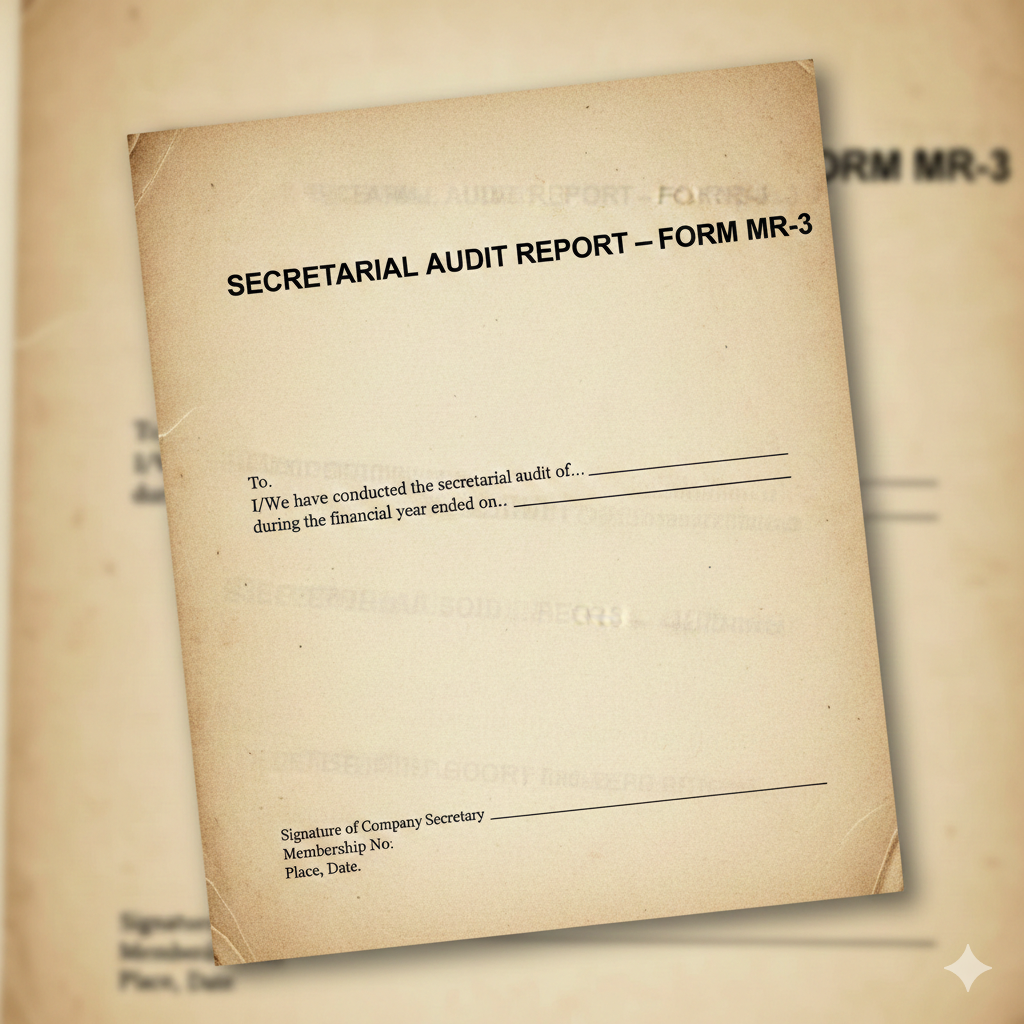
Secretarial Audit is a key governance mechanism introduced under Section 204 of the Companies Act, 2013 to ensure that companies comply with applicable laws, rules, regulations, and secretarial standards. It provides an independent verification of the company’s compliance framework and strengthens transparency in corporate operations. The audit is conducted by a Company Secretary in Practice, and the report is submitted in Form MR-3 as part of the Board’s Report under Section 134.
Filing of Form INC-27

Form INC-27 is filed with the Registrar of Companies (ROC) to effect conversion of companies under the Companies Act, 2013. The form must be filed within 15 days of the triggering event, accompanied by altered e-Memorandum and e-Articles of Association
Buy-Back of Shares or Other Securities

Under Section 68(1), a company is empowered to purchase its own shares or other specified securities (buy-back), notwithstanding anything contained in the Act, subject to compliance with Section 68(2) and related rules.
Maintenance and Inspection of Documents in Electronic Form
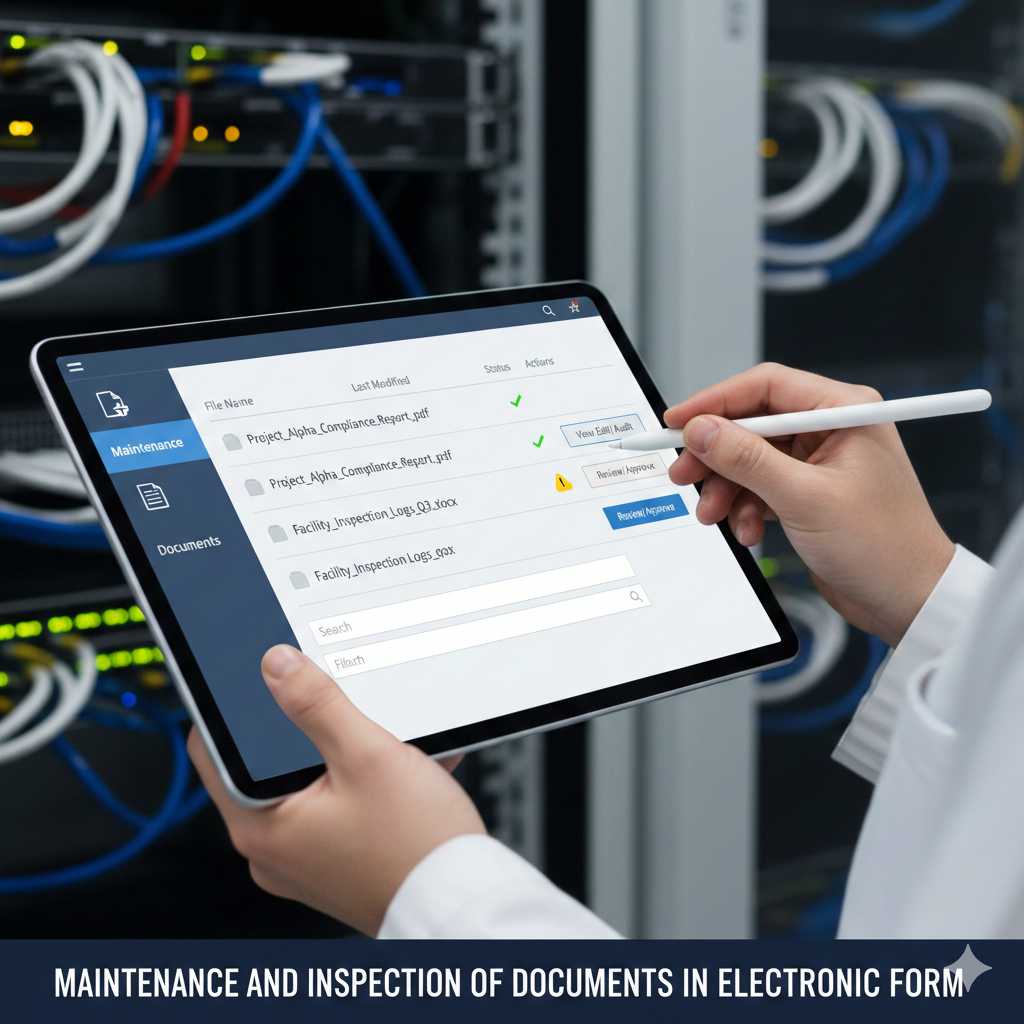
Section 120 of the Companies Act, 2013 recognizes and facilitates the maintenance of corporate records in electronic form, marking a significant departure from the traditional paper-based record-keeping regime. The operational framework for implementation of Section 120 is provided under Rule 27 of the Companies (Management and Administration) Rules, 2014 (“the Rules”), which prescribes the conditions, safeguards, and technical requirements for maintenance and inspection of documents in electronic form. The conjunction of Section 120 and Rule 27 creates a comprehensive regulatory architecture that balances the benefits of digitalization with the imperatives of security, authenticity, and regulatory compliance.
Books of Account to be kept by Company

Section 128 of the Companies Act, 2013 read with Rule 3 and Rule 4 of the Companies (Accounts) Rules, 2014 prescribes comprehensive requirements for maintenance, retention, inspection, and electronic management of books of account and financial records by companies. These provisions ensure transparency, accountability, and availability of financial information for regulatory compliance and stakeholder oversight.
Authorised, Subscribed and Paid-Up Share Capital

Section 2(8), Section 2(86), and Section 12 of the Companies Act, 2013 define and regulate the disclosure requirements for different categories of share capital. These provisions ensure transparency in capital structure representation and protect stakeholders from misleading information about a company’s financial position.
Appointment, Rotation & Restrictions of Auditors (Under the Companies Act, 2013 and the Companies (Appointment and Qualifications of Auditors) Rules, 2014)
Every company is required to appoint an individual or a firm as its auditor at the first annual general meeting (AGM). The auditor so appointed holds office from the conclusion of that meeting until the conclusion of the sixth AGM, and thereafter until the conclusion of every sixth AGM. The selection procedure is governed by rules as may be prescribed.