
Procedure For Registration Under Rajasthan Economizer Rules, 1959
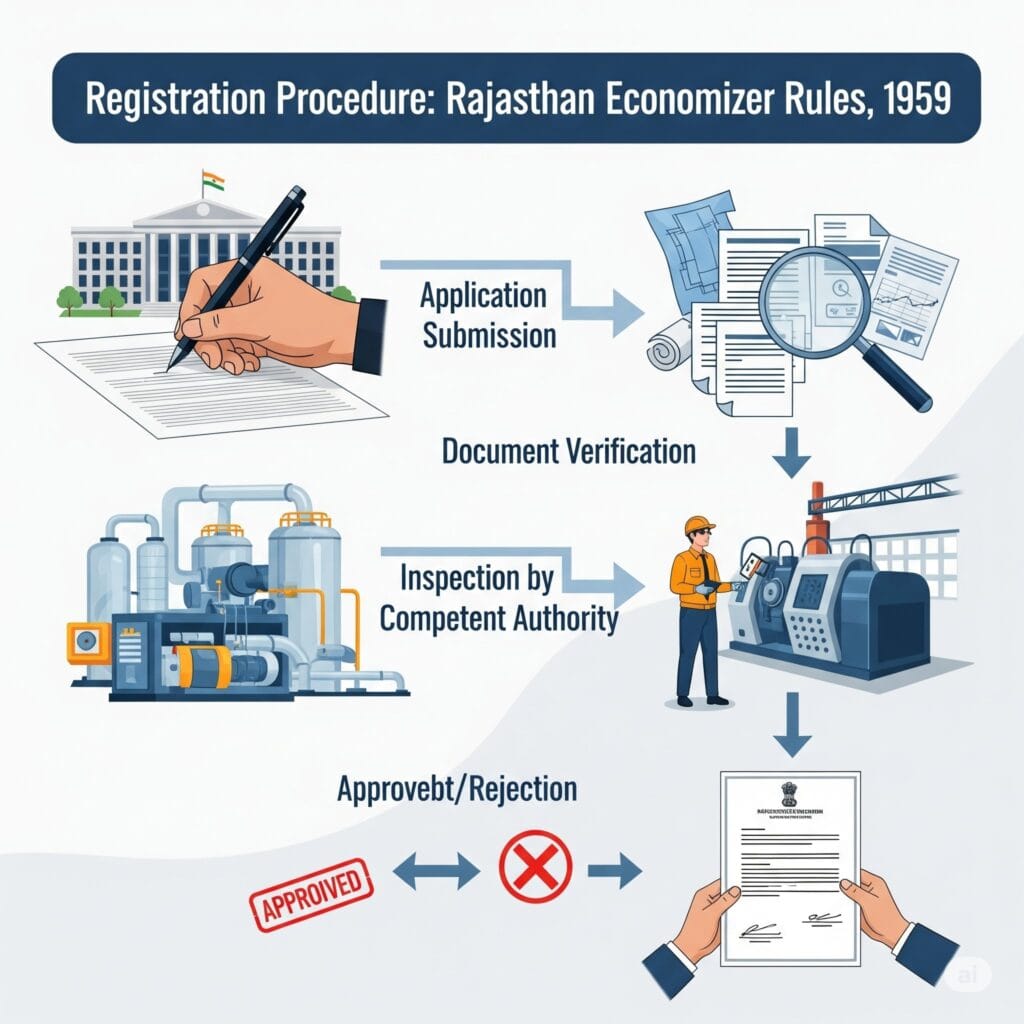
The Rajasthan Economizer Rules, 1959 were framed by the Government of Rajasthan under the authority granted by Section 29 of the Indian Boilers Act, 1923. These rules were officially notified after being published as required by law under Section 31 of the Indian Boilers Act.
Ecomark Rules, 2024

The Government of India in the Ministry of Environment, Forest, and Climate Change intends to encourage the demand for environment-friendly products that cause lesser adverse impacts on the environment, thereby, supporting the principles of ‘LIFE (Lifestyle for Environment)’, promote lower energy consumption, resource efficiency and conservation, circular economy and prevent misleading information on environmental aspects of products
Petroleum Act 1934

The Petroleum Act, 1934, is an Act to consolidate and amend the law relating to the import, transport, storage, production, refining and blending of petroleum. Petroleum may be any liquid hydrocarbon or mixture of hydrocarbons, and inflammable mixture (liquid, viscous or solid) containing any hydrocarbon, and includes natural gas and refinery gas.
Minimum Information for Audit Committee & Shareholders in RPT Approval
Following are the key takeaways:
1. Regulation 23(2), (3), and (4) of the SEBI (Listing Obligations and Disclosure Requirements) Regulations, 2015 (“LODR Regulations”) mandate that related party transactions (“RPTs”) be approved by the audit committee, and by shareholders if the transactions are deemed material.
Understanding Licensing under the Petroleum Act, 1934: Classification and Regulatory Criteria
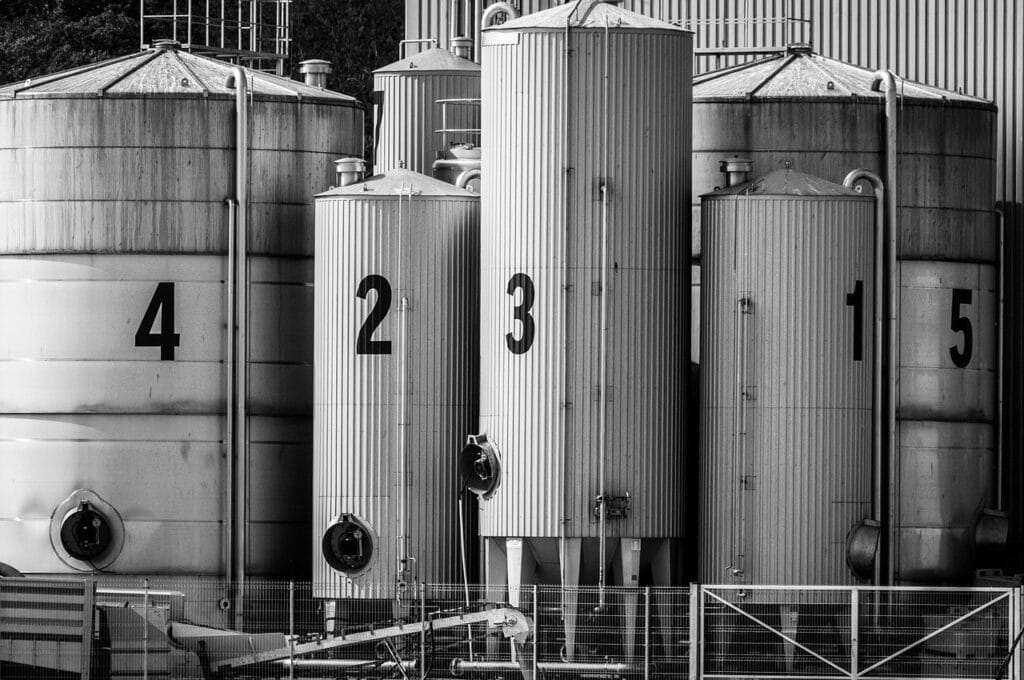
The Petroleum Act, 1934 regulates the import, storage, transport, and handling of petroleum products in India. This article outlines the classification of petroleum, key eligibility criteria, and the step-by-step licensing procedure under the Act. It serves as a quick reference for professionals navigating compliance in the petroleum sector.