
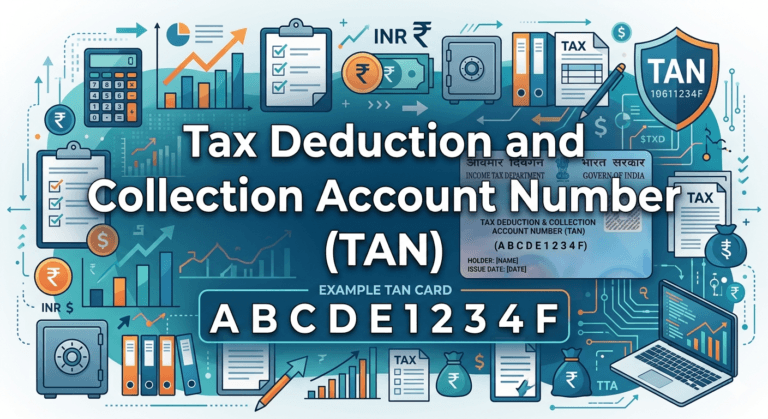
Section 397 of the Income Tax Act, 2025 establishes a comprehensive framework governing Tax Deduction at Source (TDS) and Tax Collection at Source (TCS). The provision ensures proper identification, reporting, and tracking of tax transactions and primarily covers:
This framework is designed to enhance transparency, strengthen compliance, and prevent revenue leakage.
2.1 Mandatory Application for TAN
Every person responsible for deducting or collecting tax is required to:
TAN is a prerequisite for undertaking any TDS/TCS activity and forms the basis for all related filings and reporting.
2.2 Mandatory Quoting of TAN
Once allotted, TAN must be quoted in all relevant documents, including:
Proper quoting ensures traceability and linkage of transactions with the tax system.
2.3 Exceptions
The requirement to obtain TAN does not apply to:
The procedure for obtaining TAN is governed by Rule 216, which prescribes the forms, authority, timelines, and documentation requirements.
3.1 Prescribed Forms
The application must be made in the following forms based on the applicant category:
The Central Government may also introduce a common application form to simplify and standardize the process for notified applicants.
3.2 Authority for Submission
The application is required to be submitted to:
Such centralized allocation ensures a streamlined and technology-driven process for TAN allotment.
4.1 Pre-Transaction Requirement
This establishes TAN registration as a pre-condition for TDS/TCS compliance.
4.2 Post-Facto Compliance
In cases where TAN is not obtained beforehand:
This provision allows delayed compliance within a defined regulatory window.
The application for TAN must be supported by prescribed documents (aligned with Rule 158), including:
The nature of documentation varies based on the type of applicant (individual, company, firm, etc.), ensuring proper verification and authenticity of the applicant.
Section 397 read with Rule 216 provides a structured and time-bound compliance mechanism for TAN registration and usage within the TDS/TCS ecosystem. The provisions emphasize:
For businesses and deductors, timely compliance with TAN requirements is essential to ensure seamless tax deduction, reporting, and regulatory adherence.
Disclaimer: The information contained in this Article is intended solely for personal non-commercial use of the user who accepts full responsibility of its use. The information in the article is general in nature and should not be considered to be legal, tax, accounting, consulting or any other professional advice. We make no representation or warranty of any kind, express or implied regarding the accuracy, adequacy, reliability or completeness of any information on our page/article.